


BBC film critics Caryn James and Nicholas Barber pick their cinema highlights of the year so far – from a touching sci-fi blockbuster to a wilfully provocative comedy-drama starring Zendaya.
1. 28 Years Later: The Bone Temple
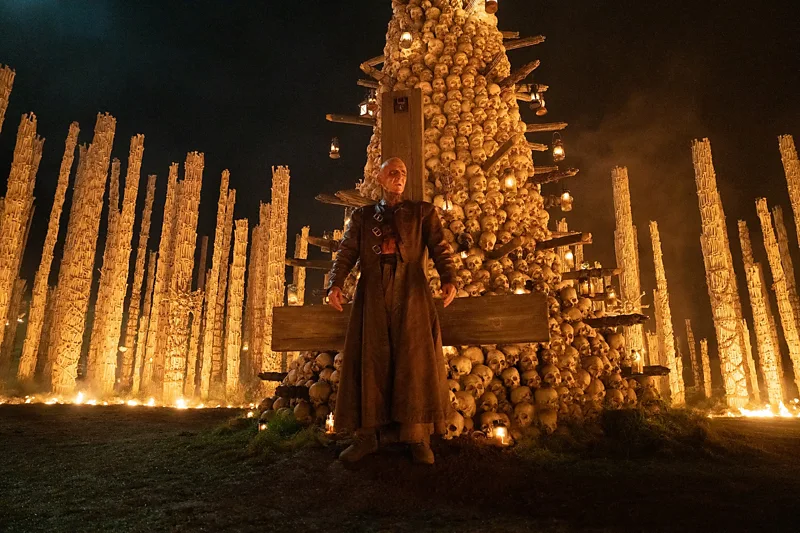
In 2002, director Danny Boyle and screenwriter Alex Garland helped to revive the zombie-apocalypse sub-genre with 28 Days Later. In 2025, they did it again with 28 Years Later.
Amazingly, this sequel to the latter is even better. Scripted by Garland, with Nia DaCosta taking over as director, 28 Years Later: The Bone Temple delivers all of the gore and terror you want from a zombie film, but it’s wonderfully idiosyncratic, too.
It constructs its own elaborate folk-horror mythos; features the unlikely buddy-comedy pairing of a kindly mad scientist (Ralph Fiennes) and a hulking cannibal (Chi Lewis-Parry); and it’s uncompromisingly British in its references, from its cheeky use of Duran Duran and Iron Maiden songs to its unforgettable villain (Jack O’Connell), a cult leader inspired by notorious television presenter and sex offender Jimmy Savile. An eccentric masterpiece.
2. My Father’s Shadow
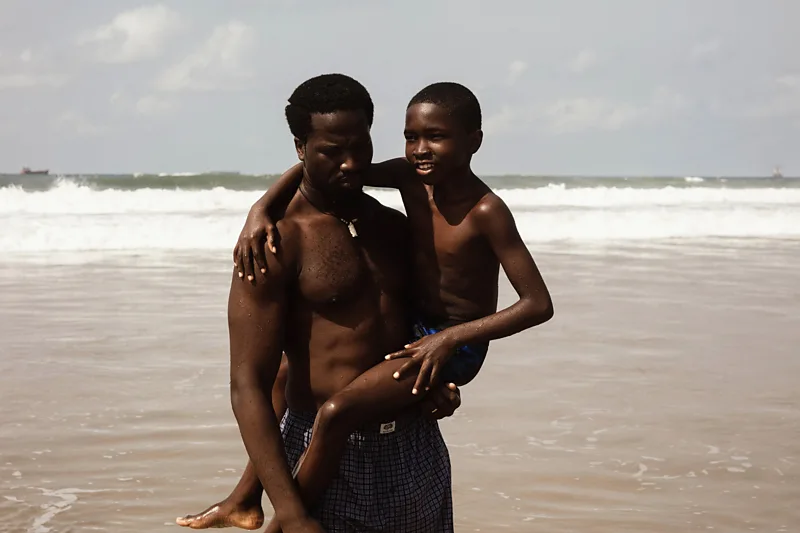
Set in Nigeria in 1993, Akinola Davies’s film about a father and his two small sons is eloquent, warm and fiercely honest as it moves gracefully from the personal to the political.
Sope Dirisu gives a quiet, strong, immensely moving performance as the father, who spends most of his time away working to support the family. With pitch-perfect intimacy, the story follows him through a single day as he takes his sons along to Lagos, where they go to his workplace and he tries to get the money he’s owed.
Their day gradually reveals the tumultuous backdrop of the presidential election, the results of which are nullified by a military dictatorship. The director and his brother, Wale Davies, wrote the film loosely based on their childhood memories, but its achievement goes beyond that. Winner of the Bafta for outstanding British debut, it stunningly captures the bold colours of Lagos.
Its sophisticated narrative gives us the children’s perspective. But it also lets us see the father’s concern and the danger all around, with militia on the streets, which we understand far better than the boys do. There is not a false step, right through to the film’s heartbreaking coda.
3. Hoppers
Pixar returns to form with a focused, fizzily energetic cartoon based on a conceit as old as big-screen animation itself: talking animals.
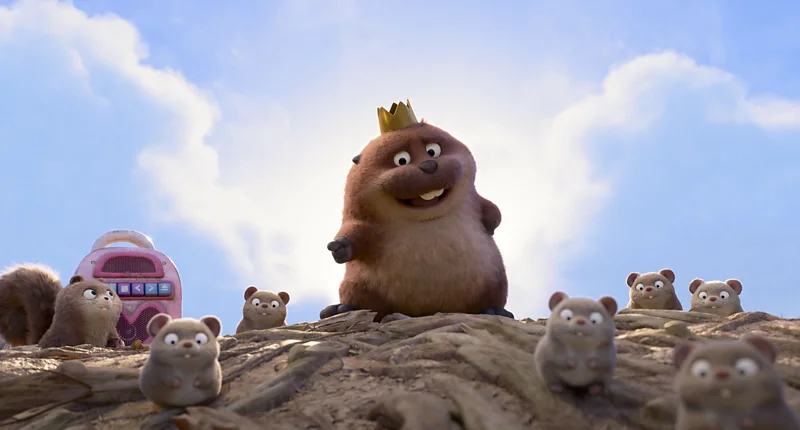
The heroine of Hoppers, Mabel (voiced by Piper Curda), is an admirably tough and determined schoolgirl who has her mind “hopped” into a robotic beaver, a procedure which somehow allows her to understand animals’ conversations (just go with it).
She uses this fantastic ability to rally her furry friends against a corrupt mayor (Jon Hamm), but what happens when they go too far? Parents beware: Daniel Chong’s film has nightmarish elements towards the end, but overall it’s a sharply plotted, gloriously silly adventure that everyone can enjoy. It also has the kind of frank environmental message which live-action blockbusters tend to avoid.
4. Wuthering Heights
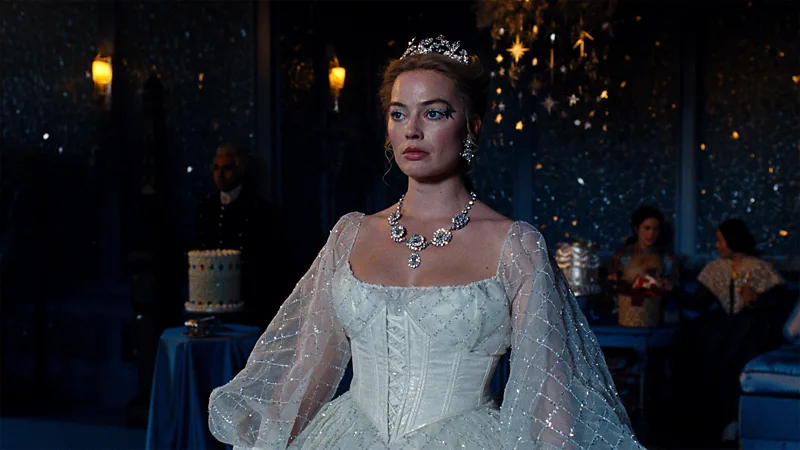
Emerald Fennell’s fearless reinvention of Emily Brontë’s 1847 novel is not for Brontë purists, but it is an exhilarating take on the book and a striking example of Fennell’s typical artistry and daring.
Margot Robbie and Jacob Elordi are fiery as Cathy and Heathcliff, the classic lovers made for each other but separated by class. Their connection is at once frankly sexual, romantic and caustic in the cruelty they often display toward each other. With that cruelty, Fennell restores the vehemence often overlooked in Brontë adaptations.
Departing from prettified period pieces, the film’s visual style is an enticing kaleidoscope of colour and fashion. Fennell drops in some comic moments, and at times dares to be over the top (Heathcliff on horseback, Elordi’s bad wig flying in the wind) but its excesses are a small price to pay for such ambition. However much Fennell toys with the details – and why not? the book still exists – she captures the essential enduring passion of Wuthering Heights and its class-bound time.
5. The Drama
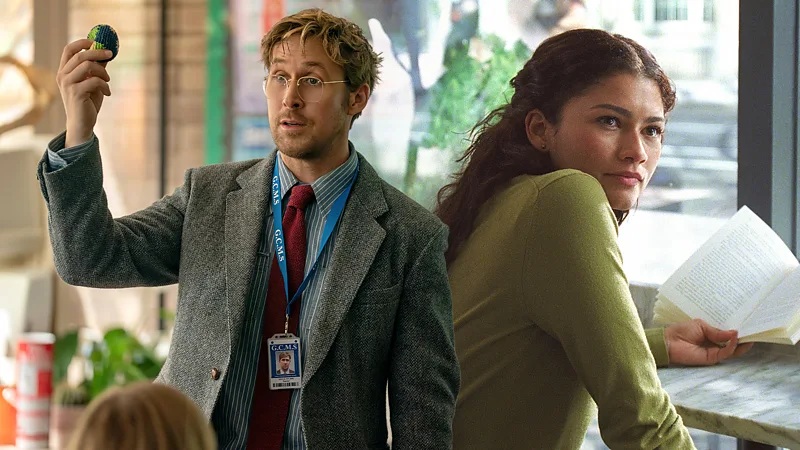
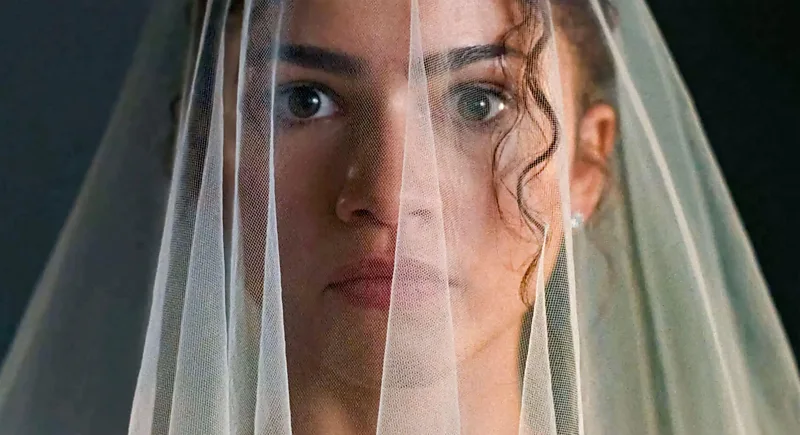
Zendaya and Robert Pattinson in a romcom as an engaged couple, Emma and Charlie, would have been fun in itself. But Kristoffer Borgli’s wilfully provocative dramedy takes a sharp detour away from its charming early stages when Emma reveals a dark secret to Charlie a week before the wedding.
This high-wire act of a film might not have worked with less charismatic and deft stars, but these two navigate the changes in tone beautifully. Zendaya gives Emma a touching sincerity and Pattinson makes Charlie’s jumpy nerves thoroughly understandable when he begins to wonder, not without reason, if he is about to marry a sociopath.
Even before the film’s release, the details of Emma’s confession caused a backlash, with claims that the film trivialises a deadly-serious issue. But the film’s characters are aware of just how serious it is; they wouldn’t be so horrified otherwise. Intentionally or not, this is a rare film that stands as both an example of sheer Hollywood star power and a thought-provoking comment on a troubling, hot-button issue.


https://shorturl.fm/9Fp3s